Troy Story explores the latest archaeology and science on one of history’s most enduring mysteries: did the Trojan War really happen?
Troy Story: Bridging Myth and History
Drawing on archaeological findings and the epic narrative of the Iliad, Troy Story explores the intersection of history and legend to uncover the truth behind the myth.
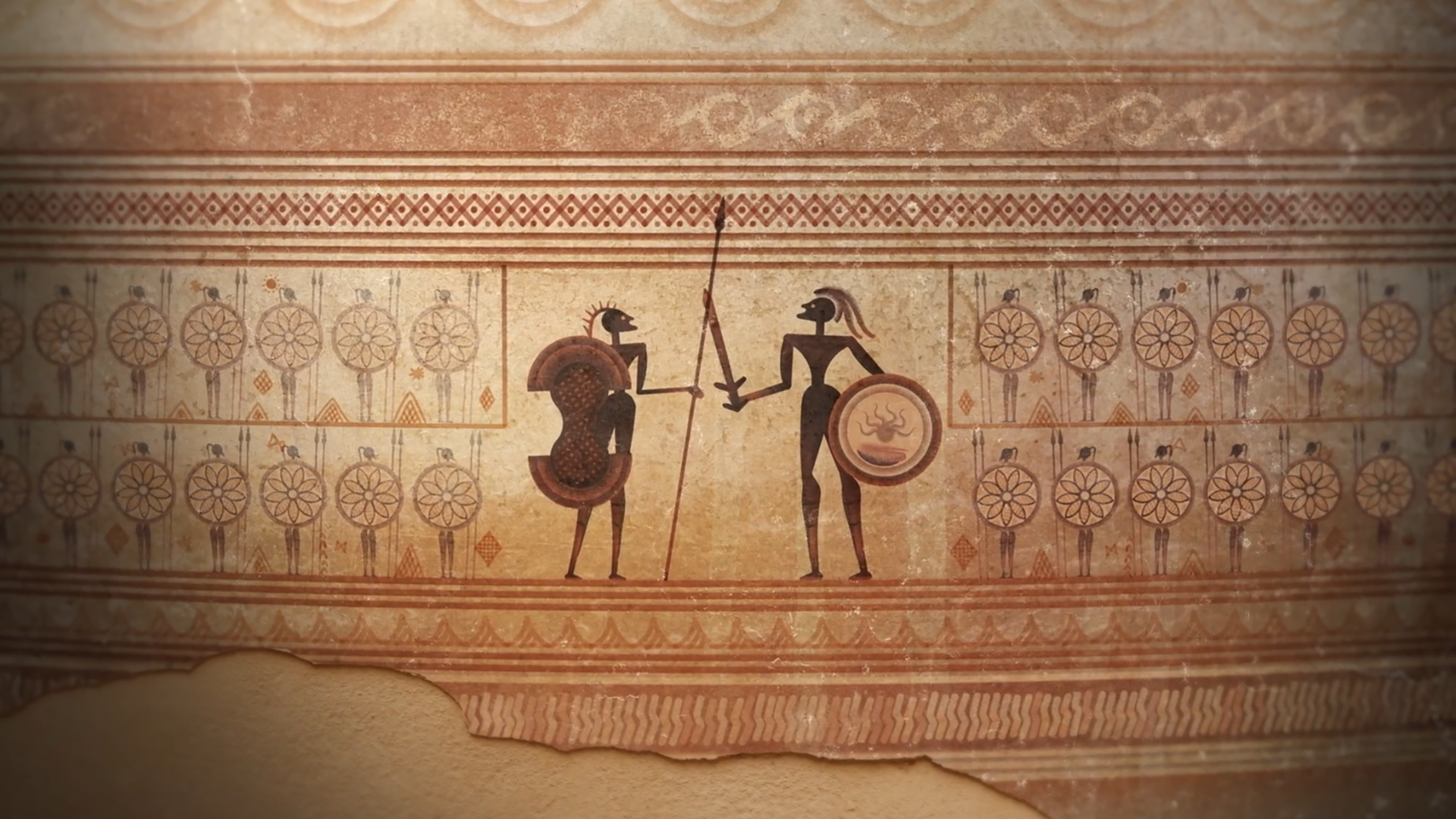
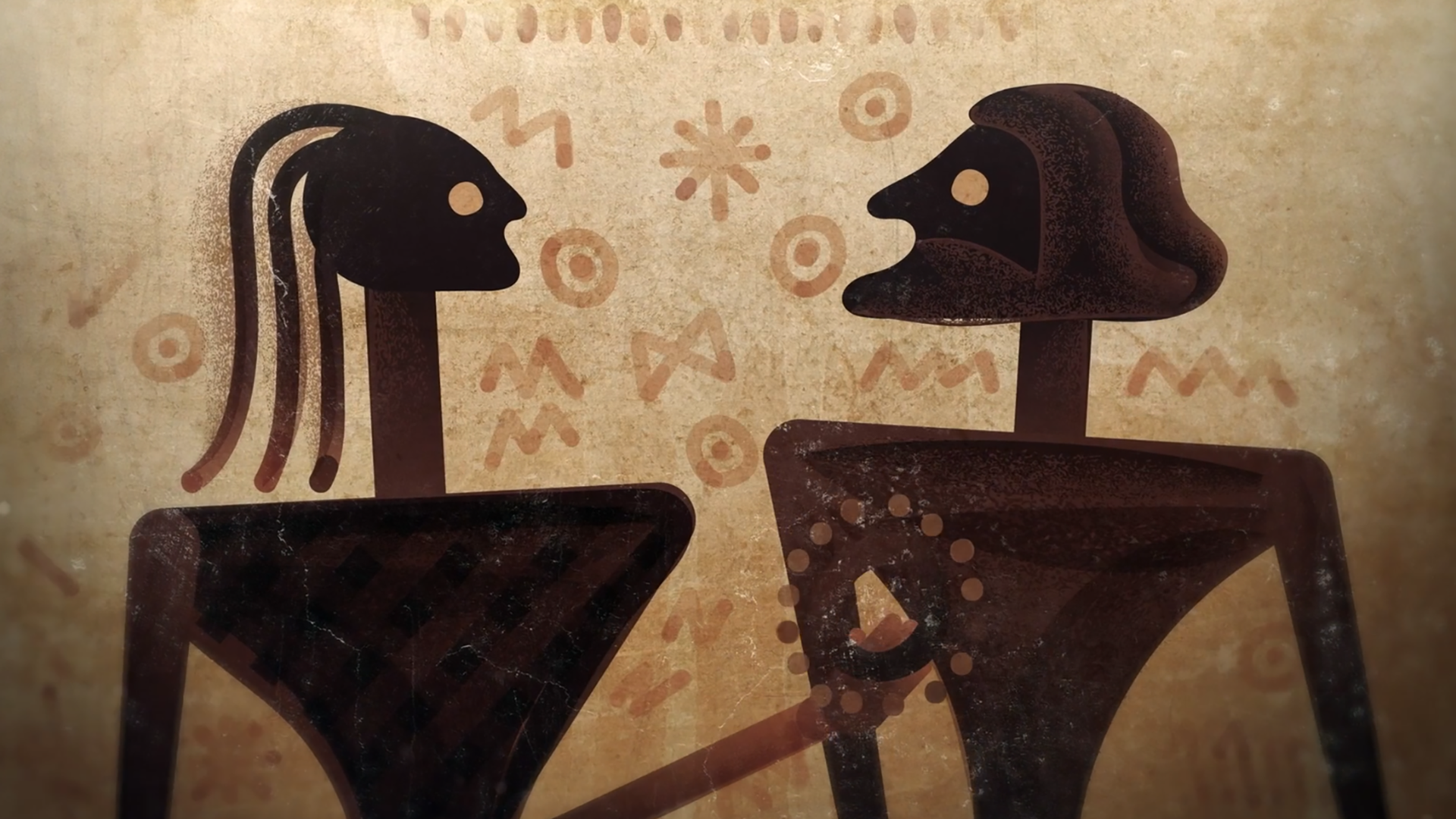
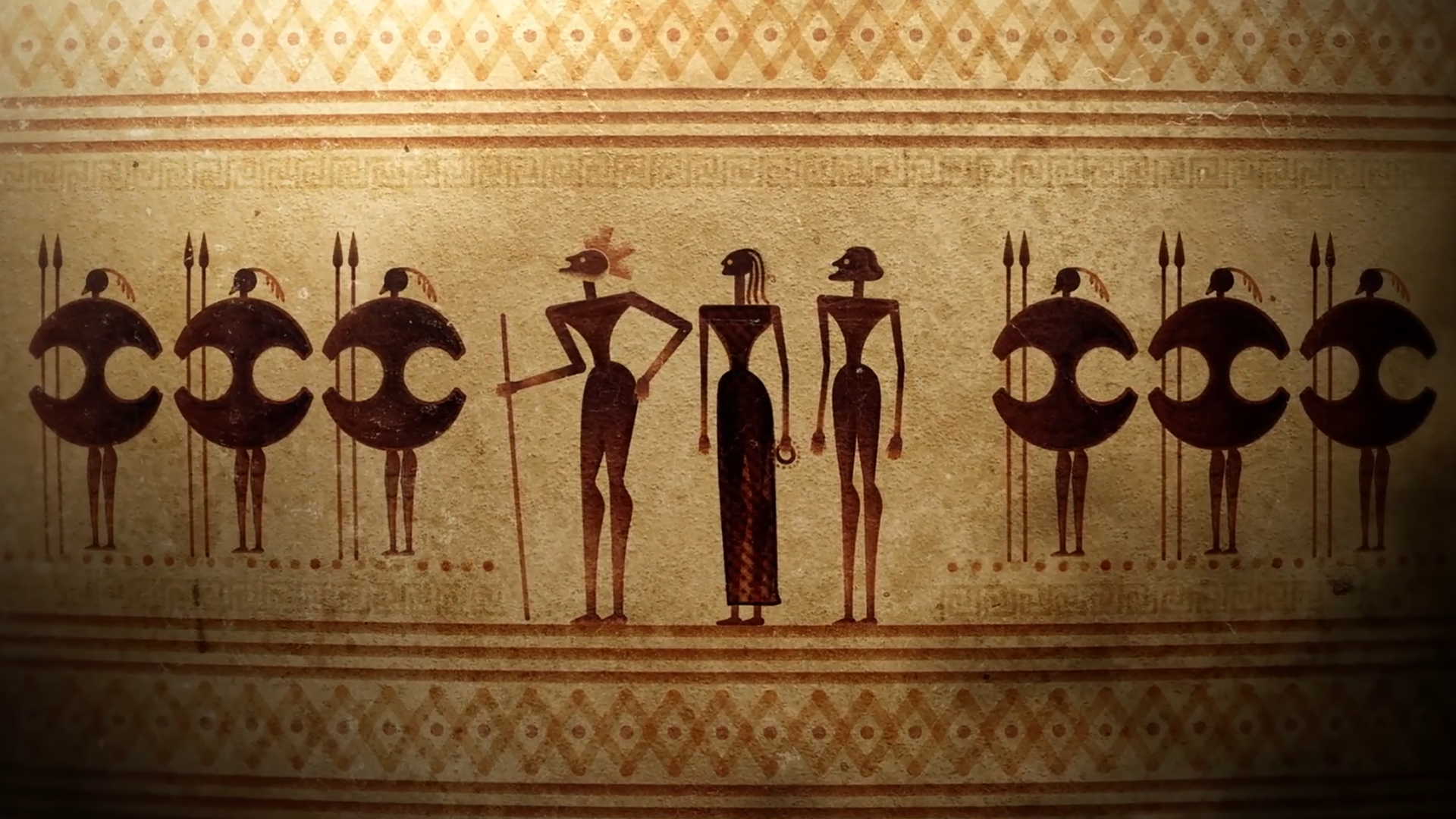
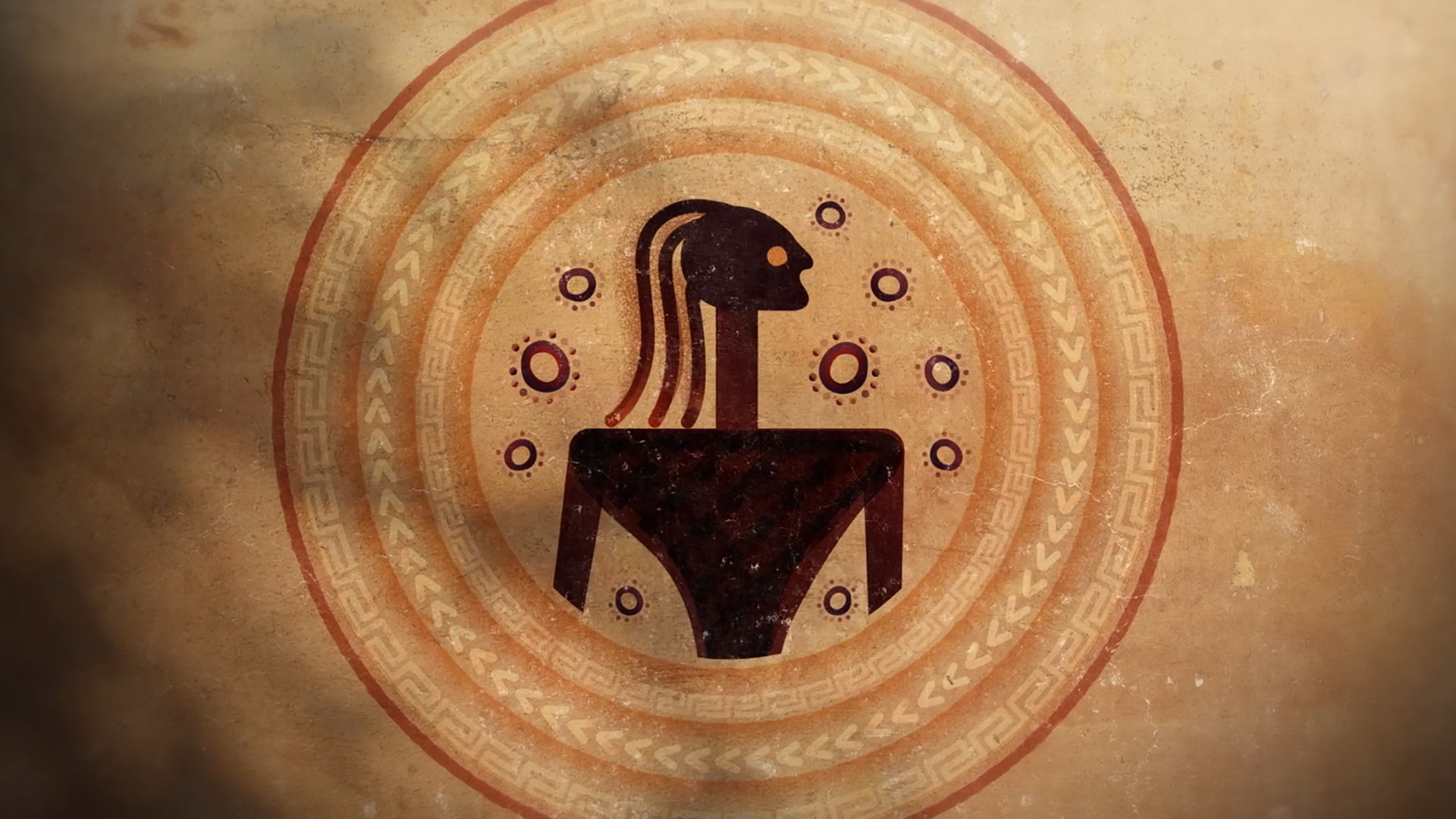
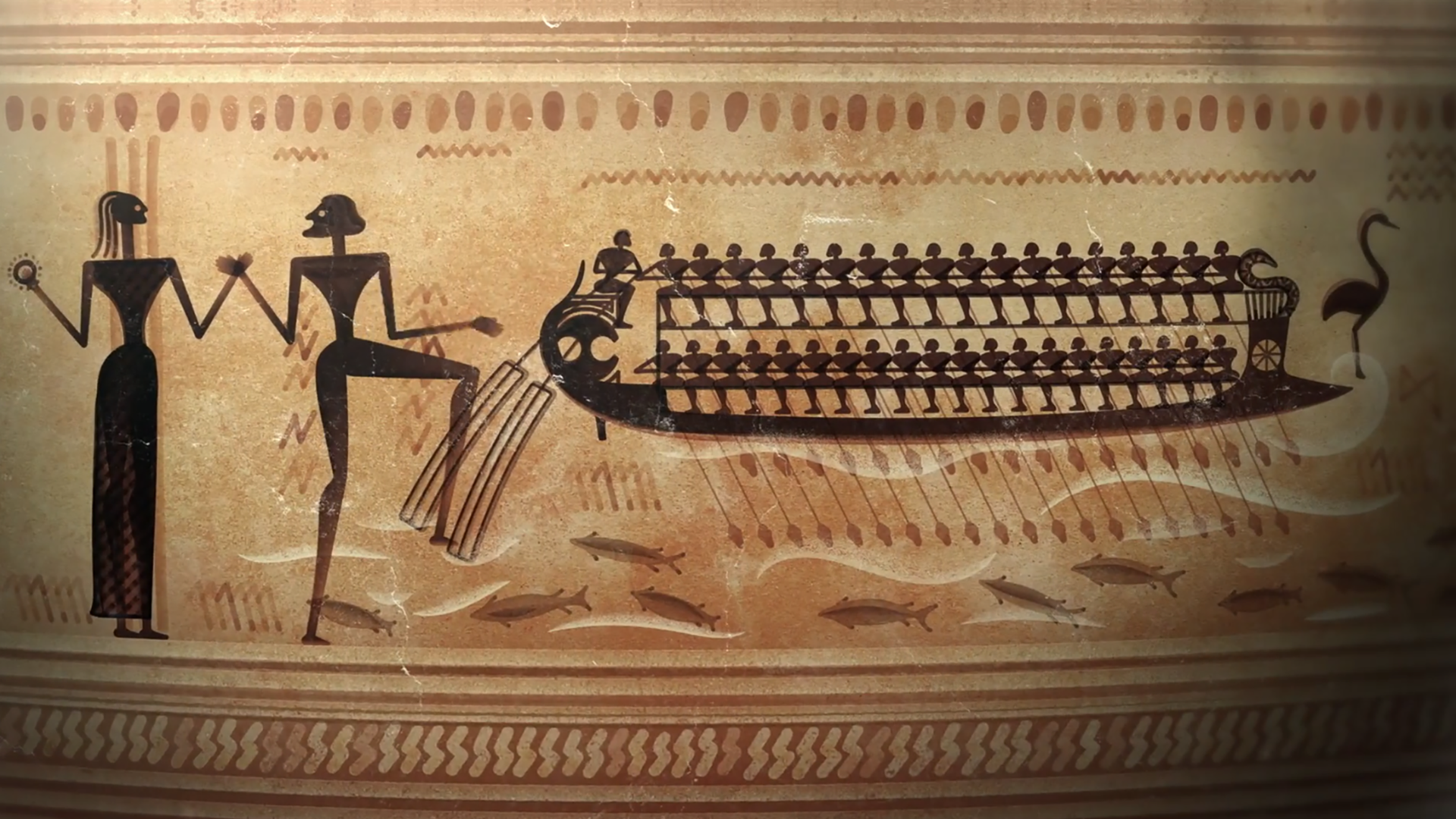
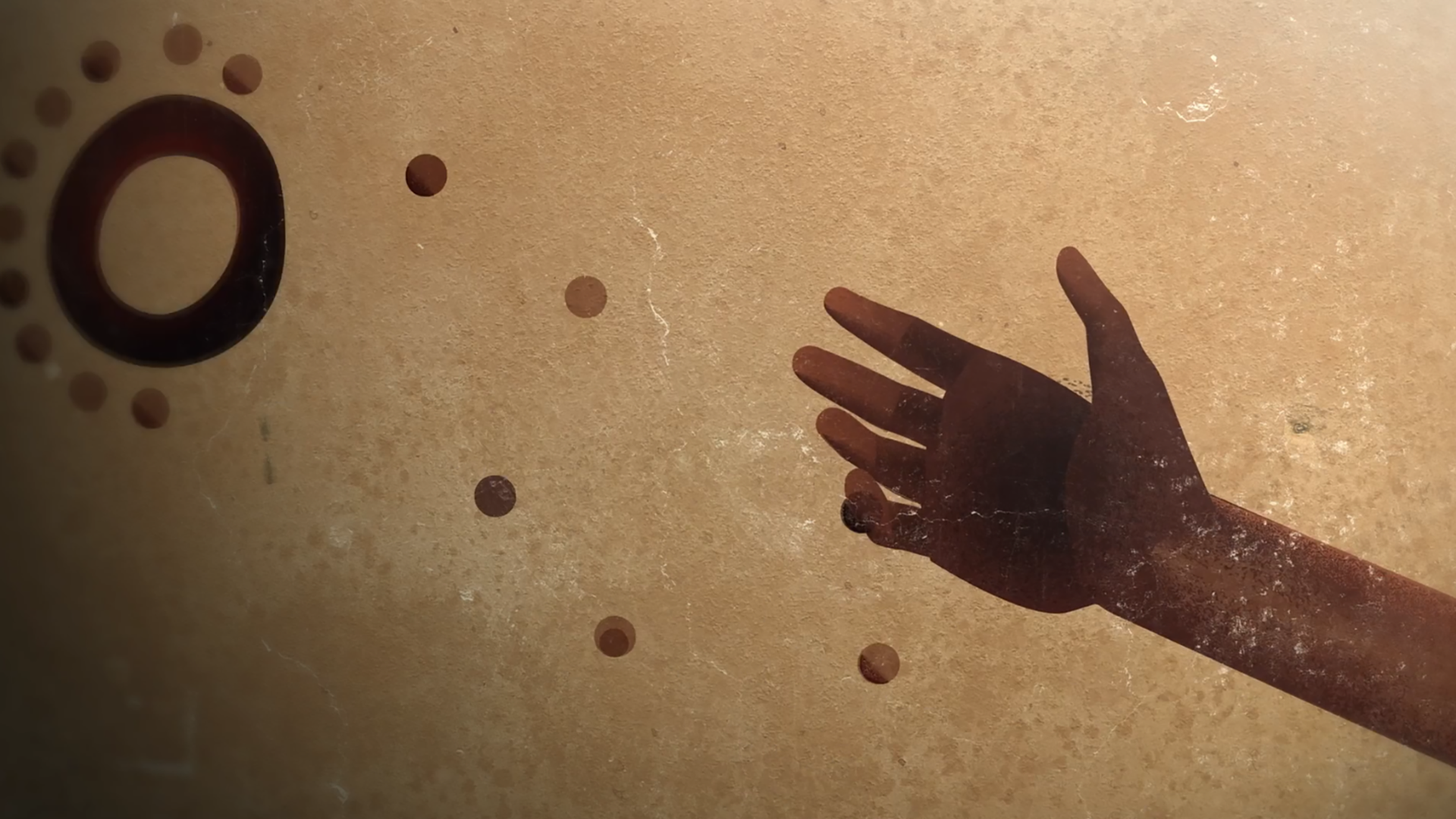
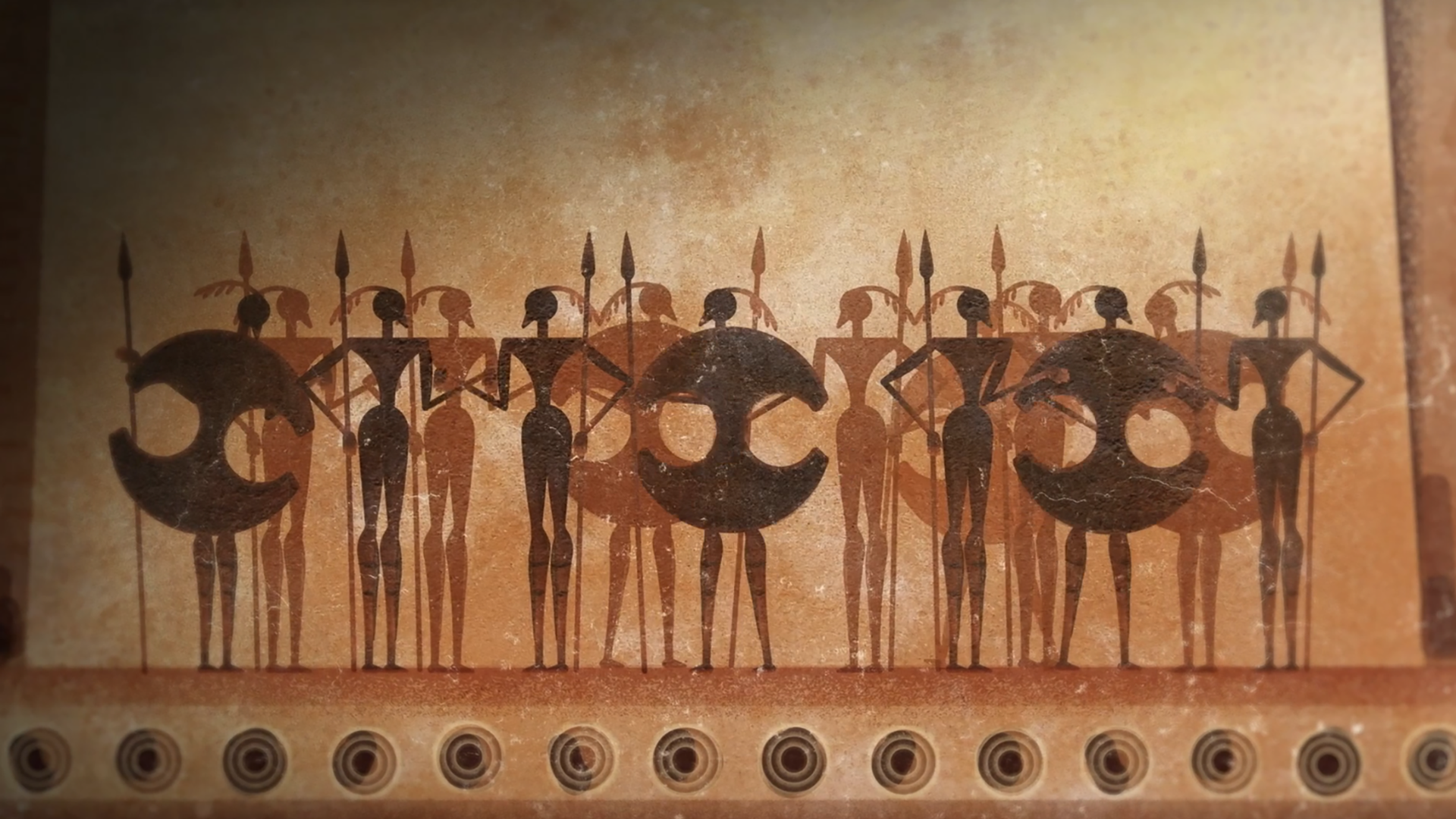
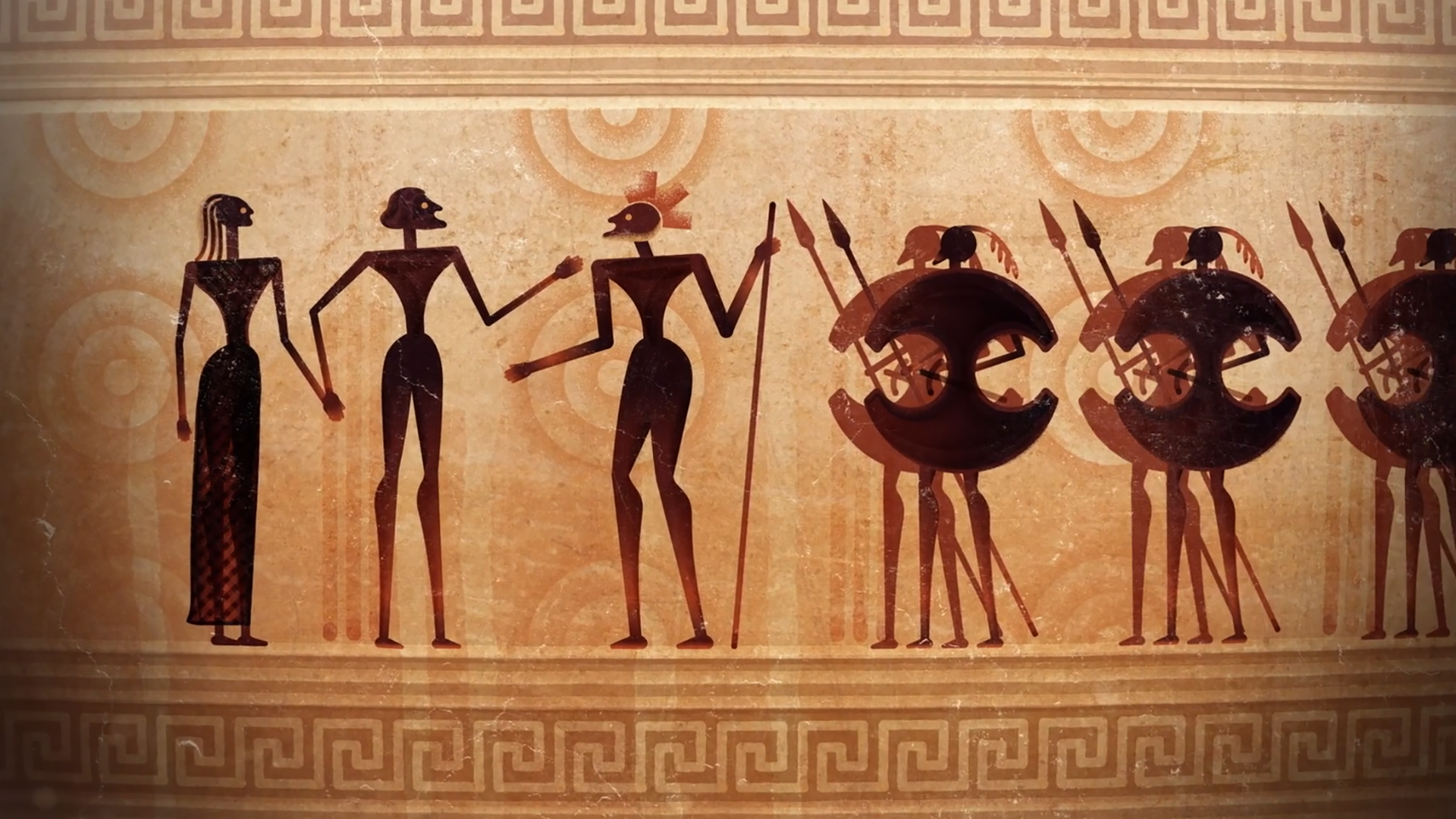
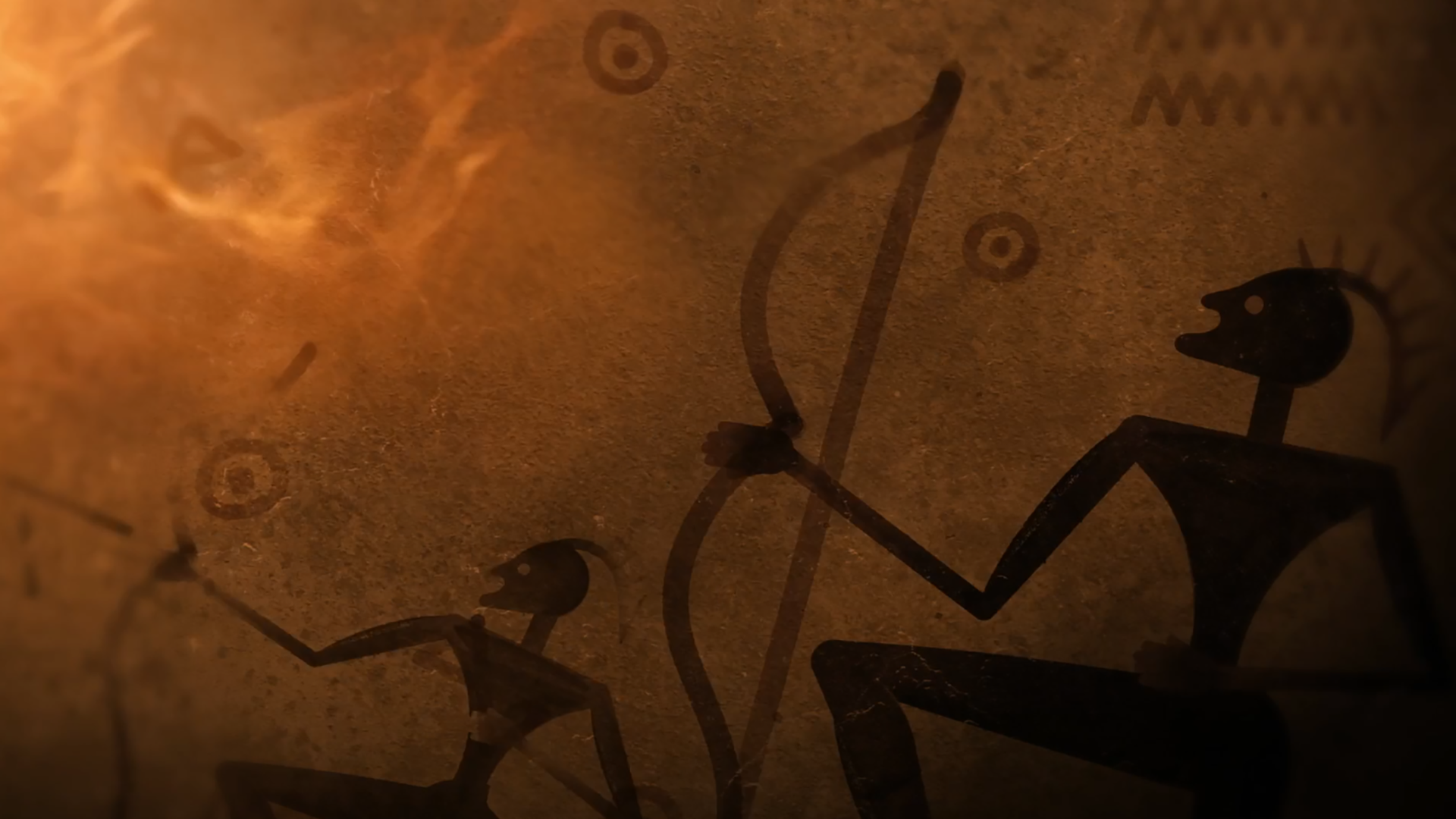
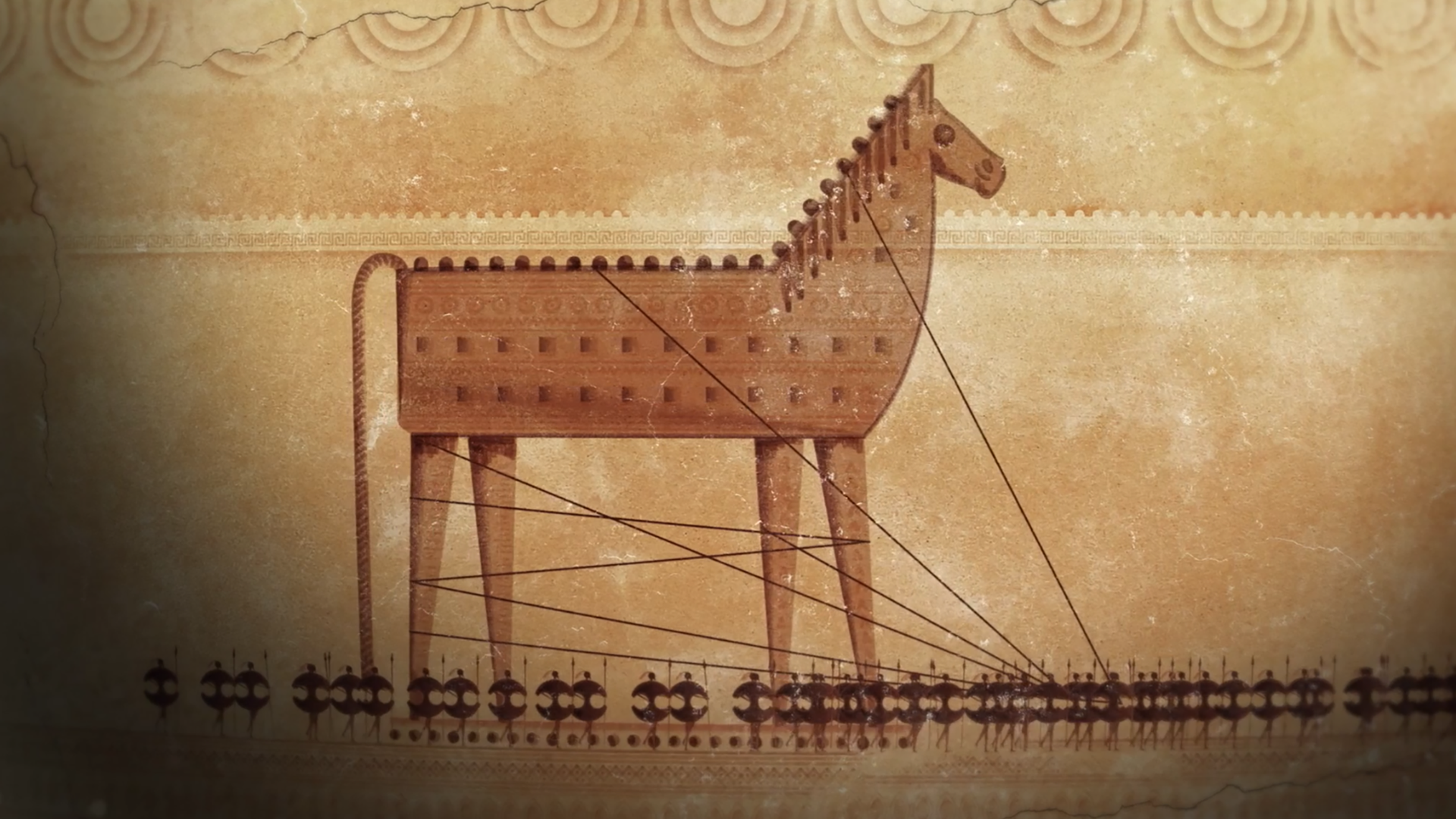
Our process began with the Late Geometric period of Greek art (c. 750–700 BCE)—the same era in which Homer composed the Iliad and the Odyssey. Inspired by a collection of museum artifacts and decorative pottery provided by the Creative Director, we committed to historical accuracy. We pored over the smallest details: the stylization of human and animal figures, the plumes on helmets, the different representations of chariots, and even the precise shape of spear tips. The goal was to stay true to these ancient illustrations while bringing them to life to narrate key moments of the Trojan War.
I illustrated a comprehensive suite of assets for animation, including characters, animals, nature elements, boats, chariots, weapons, decorative motifs, props and the background scenes.
To maintain authenticity, we applied weathered, cracked pottery textures to the artwork, even replicating the way ink gathers at the end of a brushstroke.
The characters and scenes were animated by Sze Hang Lo. It was great to see the illustrations wrap around the curvature of a digital vase, complete with realistic depth and shadows. Under the inspiring creative direction of Steve Maher at Impossible Factual, the project received a final pass that truly enriched the visual storytelling.
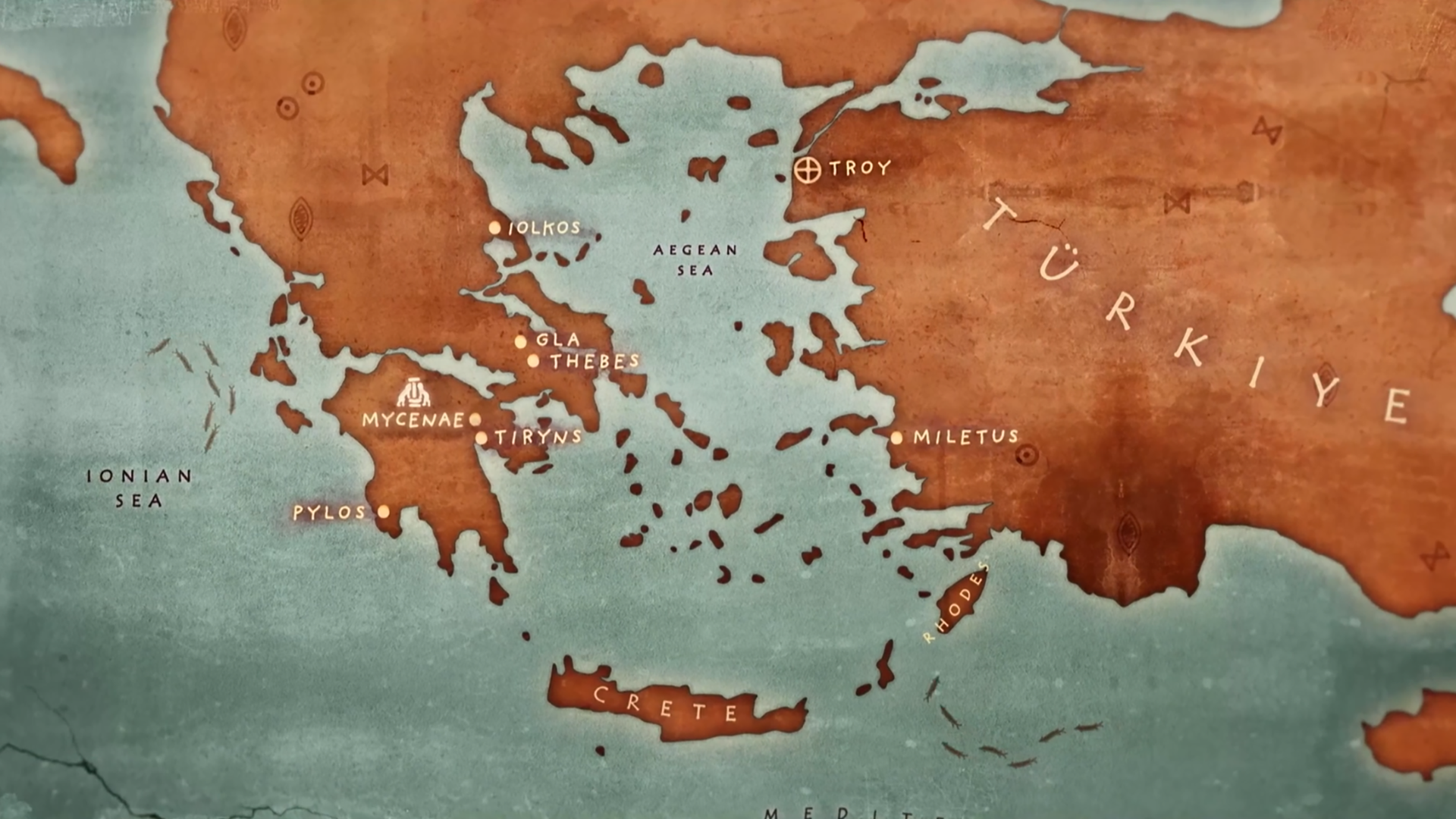
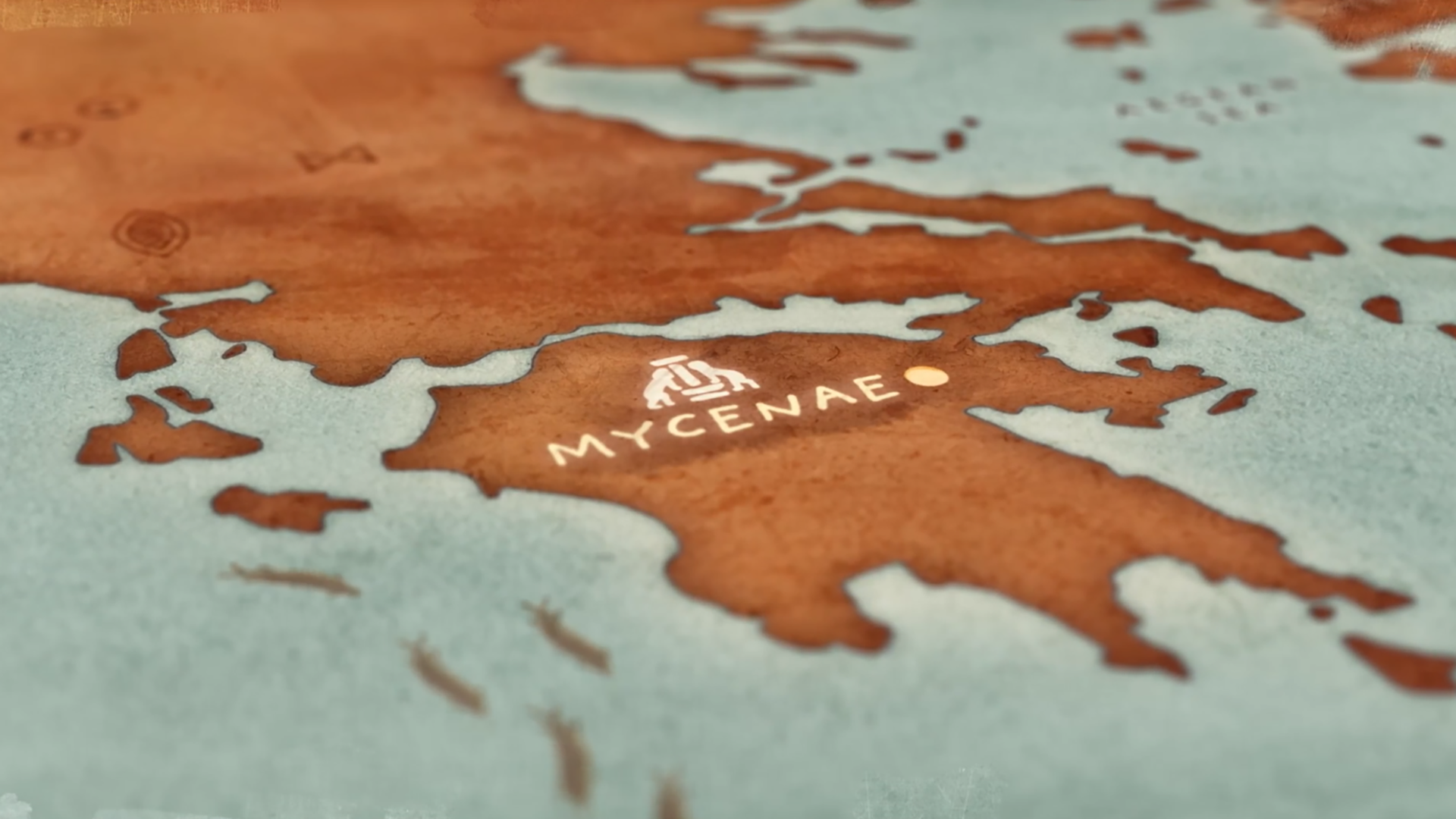
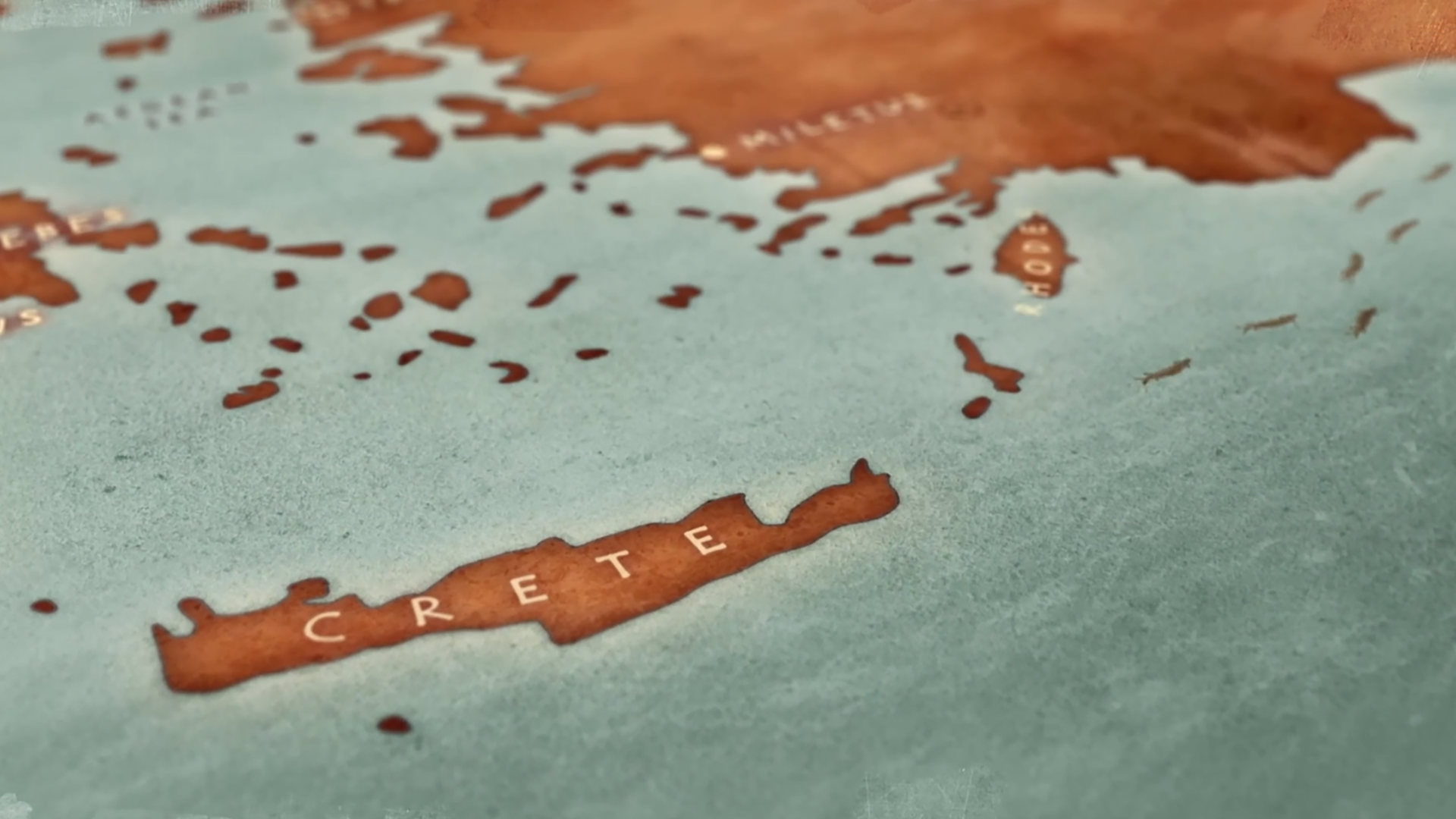
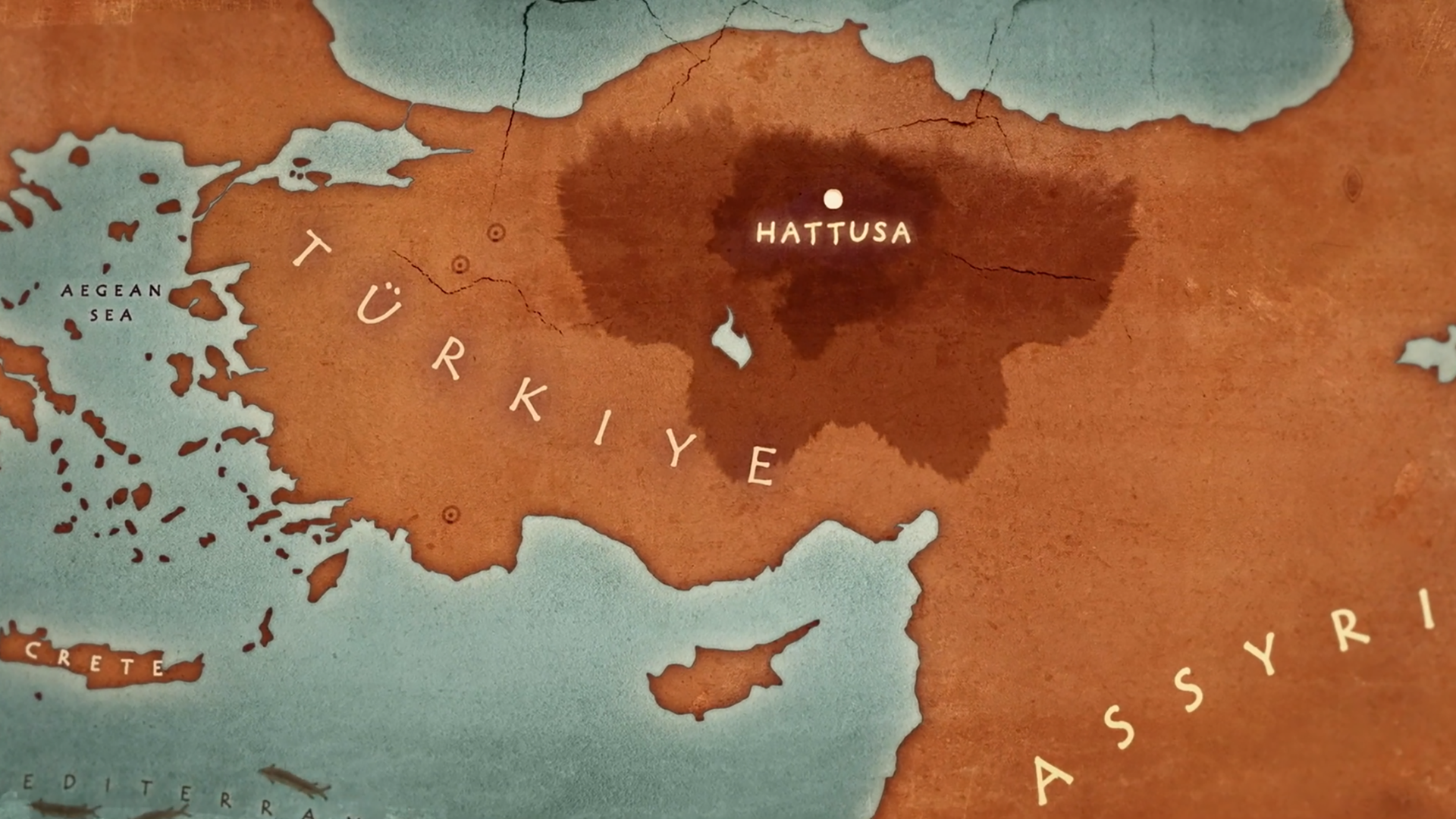
In addition to the pottery-style scenes, I created a series of maps. While these shared the same painterly, textured aesthetic, they were designed as standalone informative pieces, beautifully brought to life by Justin Lowings.
Project completed while Art Director at Hocus Pocus Studio